
Countertops
Choosing a countertop comes down to three things: what the material does under daily use, where the seams land, and how long you wait between the template and the install. The slab you point at in a showroom is the easy part. What follows is the conversation we have at the Mustang Court showroom before anyone picks a color.
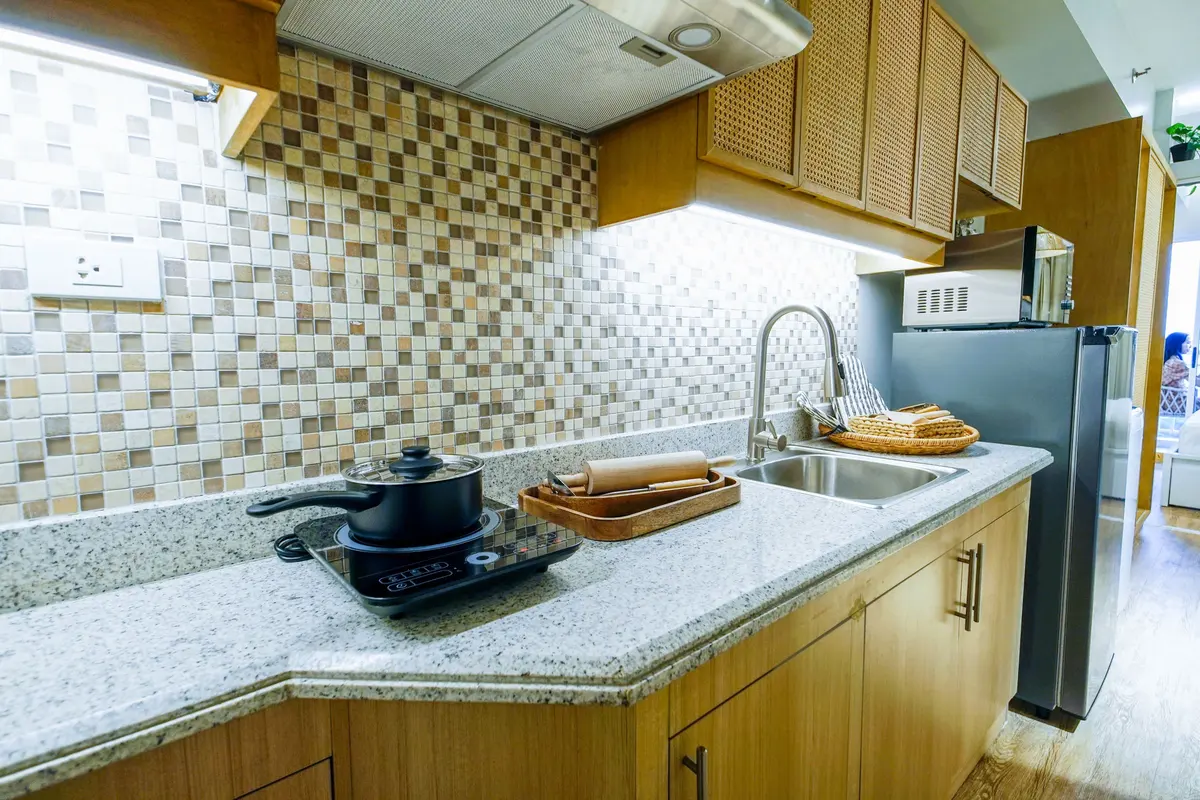
Quartz, granite and solid surface compared
Quartz never needs sealing but it can scorch
Quartz is engineered: ground natural quartz bound with resin and pigment, pressed into slabs. Because it is manufactured it is non-porous, so there is no sealing schedule and no window where an unsealed patch takes up a red wine ring, and the pattern is consistent enough to match an island to a perimeter run.
Its weakness is the resin. A pan straight off a burner can leave a dull scorch, and unlike stone that mark will not polish out. Some resins also yellow under sustained direct sun.
Granite takes the heat and wants resealing
Granite is quarried, so every slab differs and you are choosing the actual piece rather than a product line. It takes heat far better than quartz. In exchange it is porous to a degree that varies enormously by stone: a dense black may go years between sealings while a light speckled granite is much thirstier.
The test is easy to run yourself. Leave a few drops of water on the surface for half an hour and see whether the stone darkens underneath. If it does, it wants resealing.
Solid surface hides its seams completely
Solid surface, the acrylic family Corian belongs to, does something neither stone can. The color runs all the way through, so seams are bonded and sanded flat until a long run reads as one piece, and a sink can be integrated with no rim and no joint. Scratches and light burns sand out.
What you give up is hardness and heat tolerance, and it is the worst of the three with a hot pan. That makes it excellent on a vanity or in a laundry room.
What's included
- Quartz, granite and solid surface, templated in your home
- Template taken after cabinets are set, leveled and secured
- Seam locations shown to you and agreed before fabrication starts
- Edge profiles from eased and square through bullnose, ogee and mitered
- Undermount, drop-in, apron front and integrated sink cutouts
- Faucet and cooktop openings cut at the shop from the actual model specs
- Existing tops removed and hauled away on install day
- One-year labor warranty on the installation
Where the seam goes is a design decision
Slab size decides how many seams you get
Slabs come in a maximum size, generally near ten feet by five for quartz and variable for granite, so any run longer than that has a seam and so does most L-shaped kitchen. The question is never whether you will have one, it is where it goes, and that is not a detail to delegate to the shop.
You will look at it every day, so we mark the locations on the template and walk them with you before a saw touches the slab.
Over a partition, clear of the sink cutout
The rules are simple. A seam sits over a cabinet partition so both sides are carried on structure, never floating across a dishwasher opening where the joint will eventually open. It stays clear of the sink cutout, where the material is narrowest and most stressed.
There is one deliberate exception: in a long galley, a seam run through the sink is sometimes the best-looking option because the bowl hides most of it. On veined quartz we check whether the pattern carries across the joint.
Edge profile and sink type get picked together
An eased square edge reads modern, but a sharp arris chips more readily than a rounded one and you feel it leaning on the counter. Full bullnose is the practical choice around small children and on vanities. A mitered edge glues a strip underneath so a thin slab reads thick.
On sinks, an undermount needs the cutout edge polished and real support from the cabinet, a drop-in leaves a rim that catches crumbs, and an apron front has to be set before templating because the top is cut to the sink.
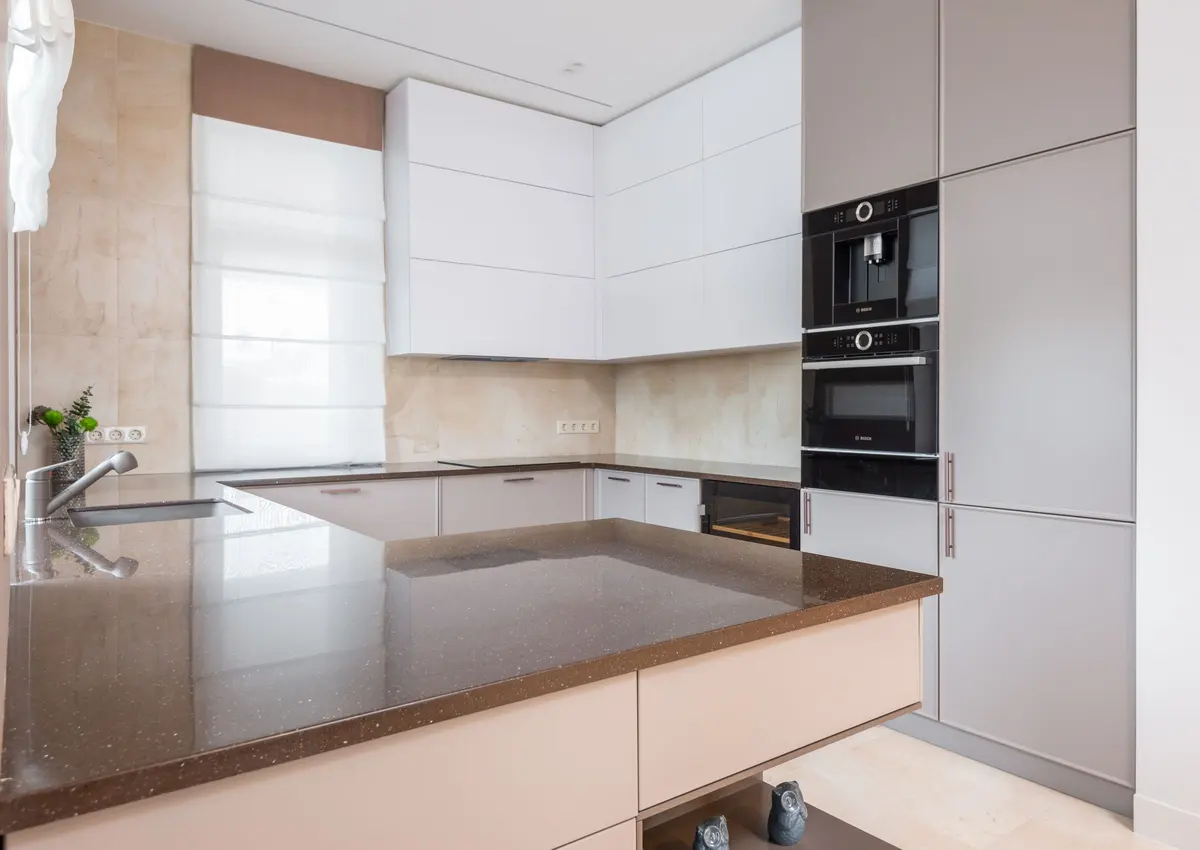
Why we measure after the cabinets are set
Templating against walls that are not square
Templating happens after the cabinets are installed, leveled and screwed down, never off a kitchen drawing. Cabinets go in on shims and walls are not square, so a top cut from a plan will not fit.
We template against real conditions and capture the actual wall line, bows included, so the back edge follows the wall instead of leaving a wedge you fill with caulk and then notice forever.
The fabrication wait and what install day is
Then comes the wait, which is the part people are least prepared for. Between template and install the slab is cut, the edge shaped and polished and the cutouts made at the shop, roughly one to two weeks depending on the material and the shop's queue. Your sink and dishwasher cannot be reconnected until the top is in, so set up a temporary work surface rather than discovering that on day three.
Install day itself is a dry fit, seam bonding with color-matched adhesive, shimming and leveling, then silicone at the wall, with plumbing usually reconnected the following day so the adhesive cures undisturbed. The crew setting your top has been with this business about twenty years, and none of it is subcontracted out.
What homeowners say
"All About Floors is amazing to work with! We recently had our entire flooring replaced and they not only did a wonderful job, the support and aftercare has been top notch! Highly recommend"
J Shoe2 · via Google "The team at All About Floors did an absolutely phenomenal job repairing a portion of a floor in my clients' home that nobody else would touch. We are so grateful for Patty and her amazing team!"
Carley Newlin · via Google
Countertops questions
Which needs less looking after, quartz or granite?
Quartz, on the sealing question. It is non-porous, so there is no annual routine and no stain risk from a spot you missed. Granite is porous to a degree that depends on the stone and wants periodic resealing. The trade runs the other way on heat: granite takes a hot pan, while quartz can scorch.
Can I avoid having a seam in my kitchen?
Only if every run is shorter than a slab, which rules out most L-shaped kitchens and any long galley. What you can control is placement, and that deserves your attention. We put seams over supported cabinet partitions, keep them clear of the sink where the material is weakest, and show you the locations marked on the template before fabrication begins.
How long between the template and the install?
Generally one to two weeks. That window is fabrication: cutting the slab, shaping and polishing the edge profile, and making the sink and cooktop openings. It cannot be compressed by rushing the shop, and templating early does not help because the cabinets have to be finished and level first.
Do I have to buy the sink and faucet before you template?
Yes, or at minimum have the manufacturer spec sheets in hand. The cutout is made at the shop to the exact dimensions of your sink, and an undermount also needs its rim position and polished edge detail worked out in advance. Faucet and soap dispenser holes are drilled at the same time. Changing the sink after templating means recutting, which means a new slab.
What edge profile should I pick?
It is mostly about who uses the room. A square eased edge looks contemporary but the sharper corner chips more easily and is uncomfortable to lean on. A pencil or quarter round keeps the modern line while rounding those problems off. A mitered edge makes a thin slab look substantially thicker if that is the look you want.
Can you put new tops on my existing cabinets?
Usually, provided the boxes are sound and can be leveled. We check that before templating, because stone is heavy and unforgiving of a cabinet run out of plane, and an undermount sink needs solid structure to hang from. If a cabinet is sagging or water damaged we will say so rather than set a top on it.
Flexible financing available
Wisetack and Synchrony
Countertops by city
- Rockwall Countertops
- Forney Countertops
- Fate Countertops
- Terrell Countertops
- Royse City Countertops
- Heartland Countertops
- Heath Countertops
- Sunnyvale Countertops
- Kaufman Countertops
- Crandall Countertops
- McLendon-Chisholm Countertops
- Mabank Countertops
- Talty Countertops
- Combine Countertops
- Kemp Countertops
- Wills Point Countertops
- Rowlett Countertops
- Mesquite Countertops
- Garland Countertops
Other floors we install
-
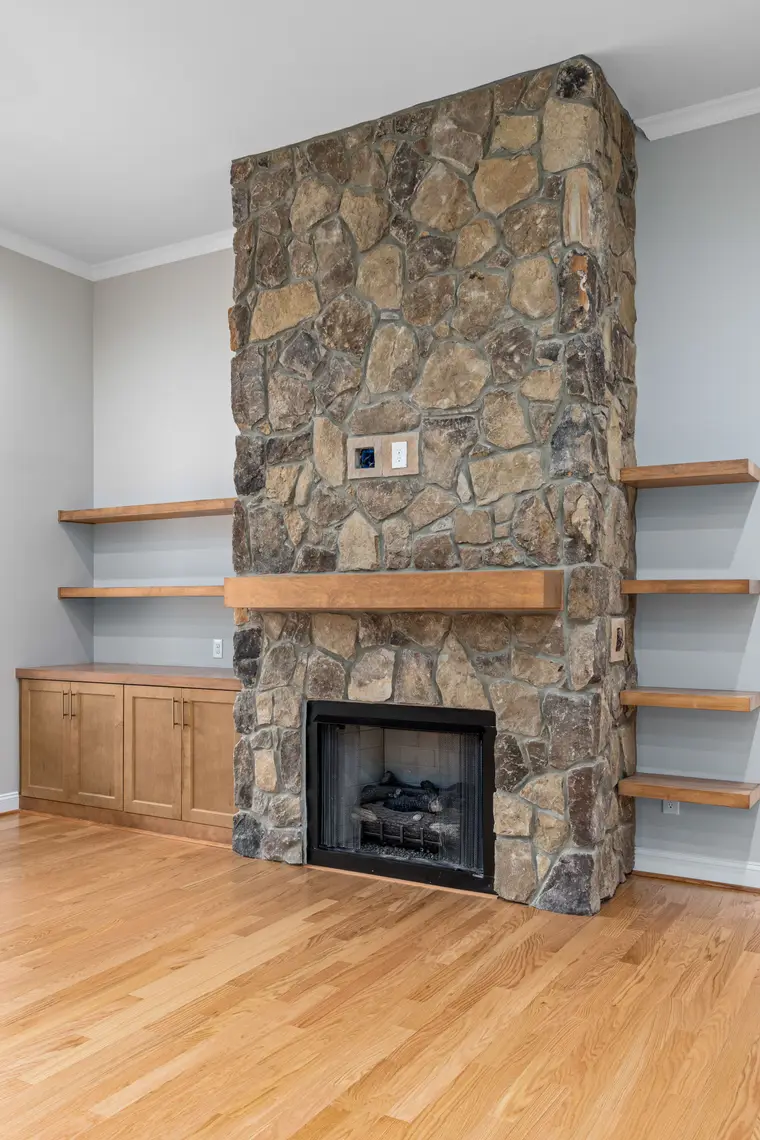
Hardwood installation
Solid and engineered hardwood installed over slab and pier-and-beam homes in Forney, Kaufman and Rockwall counties and the wider Dallas metro.
Learn more → -
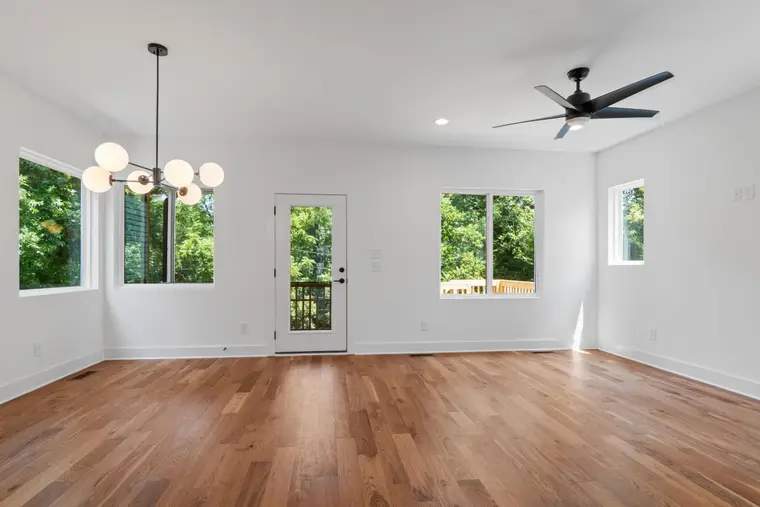
Hardwood refinishing & sanding
Sanding and refinishing existing hardwood floors across Forney, Kaufman and Rockwall counties, starting with an honest read on whether yours can be saved.
Learn more → -
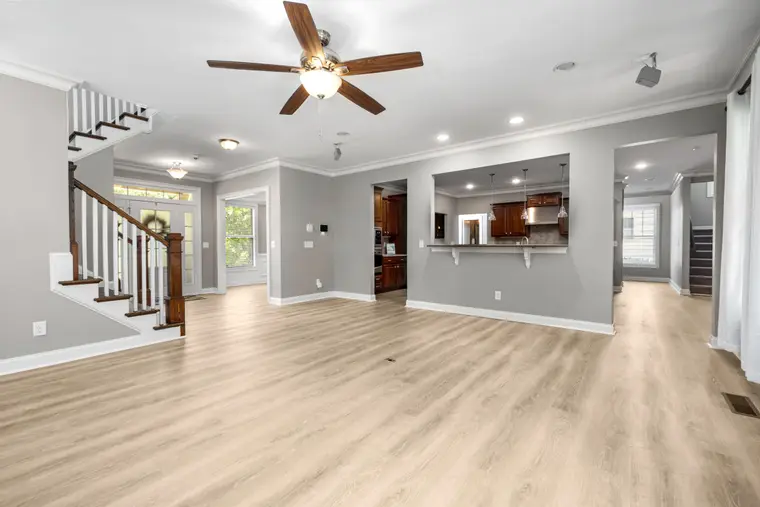
Luxury vinyl plank (LVP)
Luxury vinyl plank installed over slab in Forney, Rockwall and the Dallas metro, with the slab prep that keeps a floating floor tight and quiet.
Learn more → -

Laminate
Laminate flooring installed across Forney, Kaufman and Rockwall counties, with straight answers on AC ratings and the rooms it does not belong in.
Learn more → -
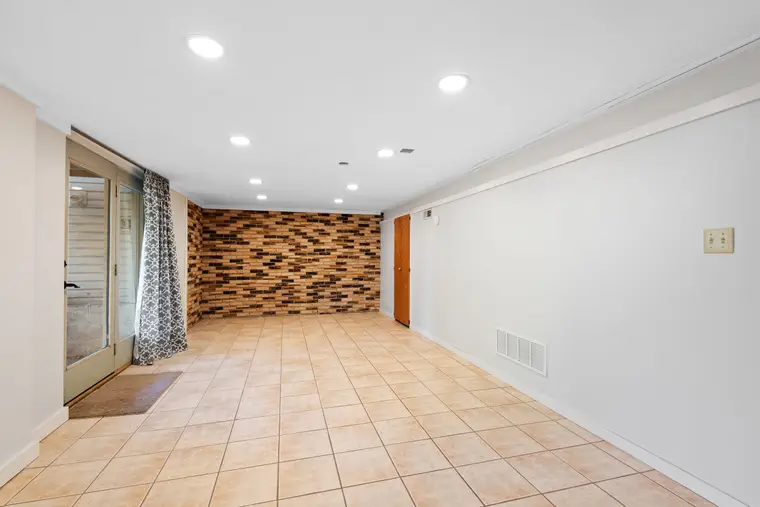
Tile
Porcelain, ceramic and natural stone tile set over properly prepped slabs in Forney and across the Dallas metro. Free in-home samples.
Learn more → -

Carpet
Carpet and pad for bedrooms, stairs and upstairs living areas, measured, seamed and power stretched throughout Forney and Kaufman County.
Learn more →
Ready for floors you'll actually love?
Free in-home estimate, clear pricing, and a crew that shows up when we say we will.